Problems We Solve
Chemical Resistance
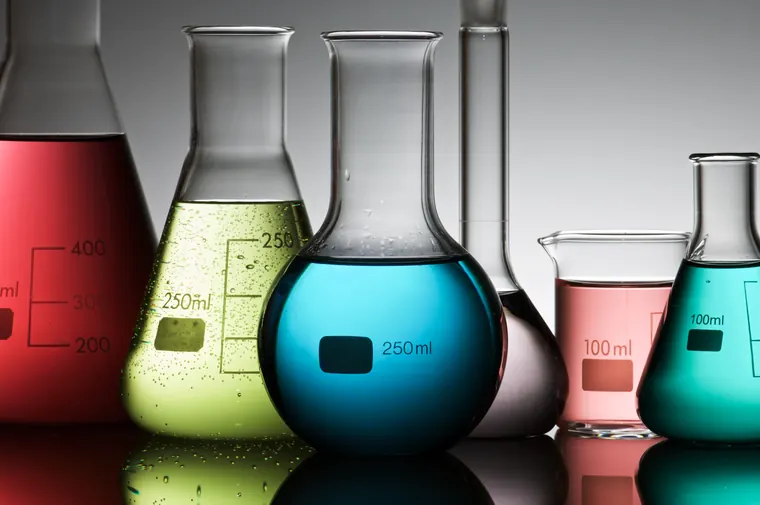
Chemical resistance is the extent to which a material can maintain its resistance to chemicals – protecting against…
Catalogue
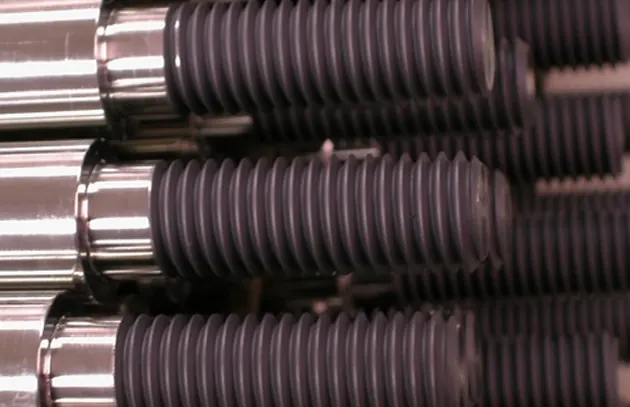
Dry-film lubricants are materials that reduce friction between two mating surfaces, sliding against each other without the need for oils and greases. The low friction characteristics result from the molecular structure of such lubricants, layers able to slide relative to one another with minimal applied force. The use of dry-film lubricants offers long-lasting lubrication – increasingly important where cleanliness is needed and can be used in extreme and adverse conditions
Price on request: add it to your enquiry
The most commonly known dry-film lubricants used in Xylan® coatings are PTFE, Molybdenum Disulphide (MoS2 or Moly) and Graphite.
PTFE:
widely used as an additive in lubricating oils and grease due to its low surface energy. PTFE shows one of the smallest coefficients of static and dynamic friction – as low as 0.04.
Molybdenum Disulphide:
mined from sulphide-rich deposits and refined to achieve a purity suitable for lubricants. Its hexagonal structure results in easy shear, aiding lubrication performance.
Graphite:
best suited for lubrication in air, water vapor being a necessary component. Water absorption lowers the adhesion energy between the substrate and the graphite.
After application and curing, these lubricants bond to the substrate and form a solid film, which reduces friction and increases wear life. Dry-film lubricants contain special materials that reduce friction and wear by preventing surface-to-surface contact between mating parts. Their performances vary depending on the specific lubricant used. Some offer excellent lubrication and corrosion protection, while others operate at high temperatures or under high loads.
Dry-film lubricants have benefits for and are sold into various markets:
Related
Chemical resistance is the extent to which a material can maintain its resistance to chemicals – protecting against…
Abrasion resistance is the process of rubbing away the surface of something; wear means to become thin and…
Our laboratory suites include complete chemical testing and analysis equipment for a wide variety of industries, using a…
Friction occurs when two surfaces slide against one another, measured by the amount of drag (force) that takes…
AI assistant. For firm prices and delivery our sales team will confirm. Continue on WhatsApp