
Problems We Solve
Chemical Resistance
Chemical resistance is the extent to which a material can maintain its resistance to chemicals – protecting against…
Catalogue
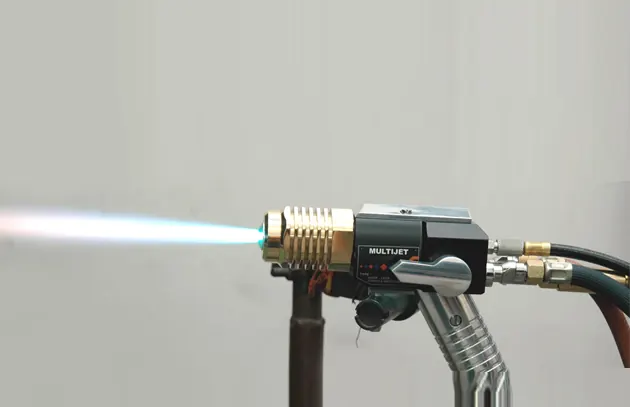
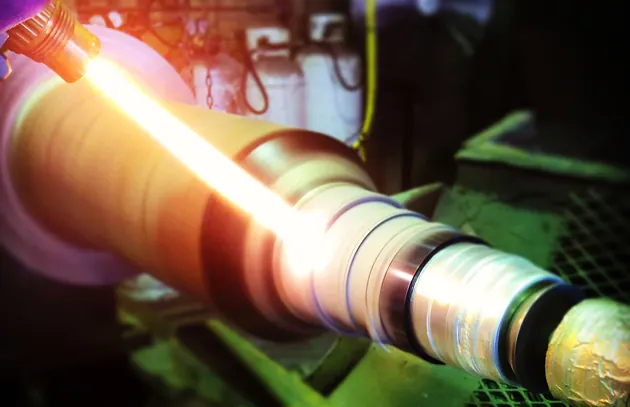
Heat resistance is the ability to resist and remain unaffected by heat. Heat resistant coatings offer protection to components that are exposed to extreme temperatures or severe temperature fluctuations. The coatings are designed to protect components against heat whilst operating to high performance levels in challenging environments.
Price on request: add it to your enquiry
Few fluid lubricants are recommended for use at cryogenic temperatures (most become solid) or above 400°F/205°C (they oxidize rapidly). Most Xylan® dry-lubricant coatings, however, operate comfortably at both extremes. They retain their hardness at high temperatures because most binders for these coatings are thermoset engineered polymers. Xylan coatings also operate effectively at extremely low temperatures (down to -420°F/-250°C).
For temperatures above 500°F/260°C, Xylar coatings, specifically designed for use in industrial environments are designed to withstand high-heat service temperature exposure up to 1000°F/550°C. These coatings provide excellent thermal shock, good corrosion and oxidation resistance.
When a substrate operates to extreme temperatures and fluctuations it can result in the breakdown of the surface, corrosion and component failure. Heat-resistant coatings offer protection without losing functionality.
There are various types of heat resistant coatings:
The substrate that the coating is applied to, the application process and the end use of the component are key factors in a coating choice.
Heat resistant coatings have benefits for and are sold into various markets:
Related
Chemical resistance is the extent to which a material can maintain its resistance to chemicals – protecting against…
Abrasion resistance is the process of rubbing away the surface of something; wear means to become thin and…
Our laboratory suites include complete chemical testing and analysis equipment for a wide variety of industries, using a…
Dry-film lubricants are materials that reduce friction between two mating surfaces, sliding against each other without the need…
AI assistant. For firm prices and delivery our sales team will confirm. Continue on WhatsApp