
Problems We Solve
Chemical Resistance
Chemical resistance is the extent to which a material can maintain its resistance to chemicals – protecting against…
Catalogue
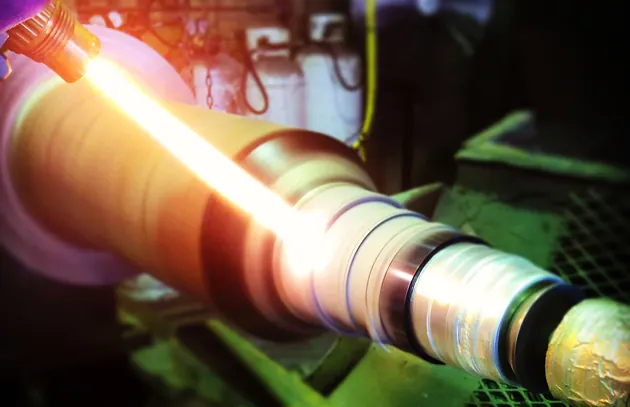
Abrasion resistance is the process of rubbing away the surface of something; wear means to become thin and disappear after repeated use or rubbing. The abrasion and wear of metal occurs through friction – the contact causing wearing on the metal surface. As contact is made between mating metal parts this has an impact on the component surface, resulting in momentary welding of asperities (peaks). As each part continues to move, the welded asperities are ripped off, leaving behind pits.
Xylan® coatings provide a thin layer of lubrication to prevent the asperities on mating surfaces from making physical contact with each other. The selection of the best dry lubricant, such as PTFE, moly, or graphite, for these applications depends primarily on the PV (Pressure X Velocity), atmosphere and operating temperature of the application.
Price on request: add it to your enquiry
Often, a Xylan coating provides enough lubrication to eliminate excessive wear. In most cases, friction and wear of the parts are reduced when one or both are coated with a dry-film lubricant. Also, the coatings serve as a thin cushion, spreading high point loads in bearing and reducing element fatigue.
Abrasion resistance and wear are the main cause of component failure in almost every industry – choosing the correct Whitford coating does not only extend the life span of a component but also improves performance.
Coatings with abrasion and wear resistant properties have many advantages:
Whitford’s abrasion and wear resistant coatings have benefits for and are sold into various markets:
For more information on problems experienced
Related
Chemical resistance is the extent to which a material can maintain its resistance to chemicals – protecting against…
Our laboratory suites include complete chemical testing and analysis equipment for a wide variety of industries, using a…
Dry-film lubricants are materials that reduce friction between two mating surfaces, sliding against each other without the need…
Friction occurs when two surfaces slide against one another, measured by the amount of drag (force) that takes…
AI assistant. For firm prices and delivery our sales team will confirm. Continue on WhatsApp